
Menu
 EUR
-
EUR(€)
-
 AUD(A$)
-
 GBP(£)
-
 USD($)
EUR
EUR(€)
AUD(A$)
GBP(£)
USD($)
Quick answer: Throat hit comes from mouth-to-lung (MTL) vaping, where vapor is drawn into the mouth first and then inhaled, creating a tighter, cigarette-like sensation. Lung hit comes from direct-to-lung (DTL) vaping, a single deep inhale straight into the lungs that produces smoother sensations and larger vapor clouds. In the broader MTL vs DTL comparison, the right choice depends on your nicotine needs, flavor preferences, and vaping experience.
Adult vapers often reach a point where their device just doesn't feel right anymore. Maybe the draw feels too loose, or the throat hit is too sharp, or the clouds seem underwhelming compared to what a friend's setup produces. Nine times out of ten, the issue comes down to technique mismatch — using a device built for one inhalation style while trying to vape like you'd use the other.
Mouth-to-lung (MTL) and direct-to-lung (DTL) represent two fundamentally different ways of drawing vapor into your body. Each style pairs with specific devices, vape coil resistances, e-liquid ratios, and nicotine strengths. Understanding the difference isn't just a technical curiosity — it determines whether your vaping setup actually matches how you want to use it, whether you're buying from vape stores in person or shopping online.
This guide breaks down both techniques, explains how throat hit and lung hit differ, and walks through the decision points that help you choose the setup that fits your preferences. This information is intended for adult smokers and vapers aged 21 and over. Vaping products contain nicotine, an addictive chemical, and are not risk-free.
Mouth-to-lung (MTL) vaping is a two-step inhalation process. You draw vapor into your mouth first, hold it briefly, and then inhale it into your lungs with a second breath. This mimics the physical sensation of smoking a traditional cigarette, which is part of why MTL remains a popular entry point for adult smokers exploring vaping as an alternative.
MTL devices are built around tighter airflow and higher-resistance vape coils, typically 1.0 ohm and above. This restriction is what creates the pronounced throat hit MTL vapers often look for. Because the draw is tighter and the vapor volume per puff is smaller, MTL setups are commonly paired with higher-nicotine e-liquids, including nicotine salts, and higher-PG (propylene glycol) formulations that suit lower-wattage devices.
Pod systems, low-wattage is disposable vape pens, and MTL-specific tanks with higher-resistance coils are the standard choices for this style. These devices are generally simpler to operate, more compact, and use e-liquid more slowly than their DTL counterparts, making MTL setups more economical over time — and among the most commonly stocked options at vape stores for vapers transitioning from cigarettes.
Direct-to-lung (DTL) vaping, sometimes called "lung hit" vaping, involves inhaling vapor straight into the lungs in one continuous breath, similar to taking a deep breath of air. There's no holding vapor in the mouth first — it's a single, open inhale.
DTL setups rely on open airflow and lower-resistance, sub-ohm vape coils (below 1.0 ohm), often combined with higher wattage. This combination produces significantly larger vapor clouds and a smoother sensation at the back of the throat compared to MTL. Because DTL devices vaporize more e-liquid per puff, they're generally used with lower nicotine strengths and high-VG (vegetable glycerin) e-liquids formulated for denser cloud production.
Sub-ohm tanks, box mods with high-wattage capabilities, and DTL-oriented pod systems with low-resistance coils are the typical hardware choices. These devices tend to be bulkier than MTL setups and consume e-liquid faster, which is worth factoring into your budget before you browse vape stores for a new tank or mod.

The sensation at the back of your throat — commonly called throat hit — is shaped by several factors working together: nicotine strength, nicotine type (freebase versus nicotine salt), PG/VG ratio, and even the temperature of the vapor. MTL vaping amplifies throat hit because the tighter draw concentrates the vapor before you inhale it fully, and higher nicotine concentrations intensify that sensation further.
DTL vaping dilutes this effect. The larger volume of vapor and the open airflow spread out the sensation, which is why DTL generally feels smoother even at similar nicotine levels. This is also why DTL vapers typically choose lower nicotine strengths. Using a high-nicotine e-liquid, like a nicotine salt formulated for MTL devices, in a high-wattage DTL setup can create an uncomfortably harsh throat hit and lead to taking in more nicotine than intended.
Choosing the right technique comes down to a handful of practical questions about how you want to vape.
Choose MTL if the familiar, cigarette-like draw matters to you. The two-step inhale, combined with a stronger throat hit, tends to feel more natural for adult smokers who are used to that sensation from a traditional cigarette.
Choose MTL if you want concentrated, intense flavor delivered in a smaller puff. Choose DTL if you're after bigger clouds and a more open, airy flavor experience.
Choose MTL if you prefer higher-nicotine e-liquids, including nicotine salts. Choose DTL if you're using lower-nicotine or nicotine-free e-liquids, since the larger vapor volume per puff means less nicotine concentration is needed.
Choose MTL if discreet vaping with minimal vapor output matters to you — it's harder to produce large, noticeable clouds with a tight-draw device.
Choose MTL if you want to stretch your e-liquid further. MTL devices use less wattage and consume e-liquid more slowly. DTL setups, by contrast, can go through a bottle of e-liquid much faster due to higher power and larger vapor volume.
Yes. Many adult vapers use both styles depending on the situation, switching to MTL for a quick, discreet session and DTL for a more relaxed cloud-focused one. The key is having the right device, vape coil resistance, and e-liquid ratio matched to whichever style you're using at the time. Trying to use MTL e-liquid in a DTL device (or vice versa) generally leads to a mismatched, unsatisfying experience.
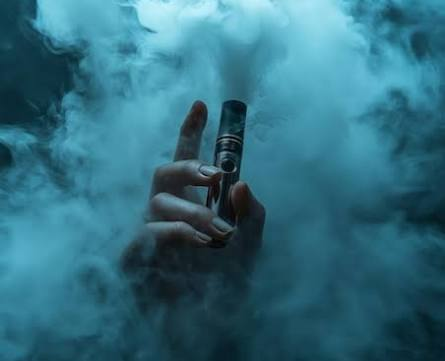
Getting the e-liquid right is just as important as choosing the device.
Most vape stores organize their e-liquid shelves by nicotine type and VG/PG ratio for exactly this reason, so checking the label before you buy will save you a mismatched purchase.
Most disposable vapes use an MTL draw. They're built with higher-resistance coils, tight airflow, and are typically prefilled with nicotine salt e-liquid, which is why they feel close to a traditional cigarette. For adult vapers who started with disposable vapes and want to move to a refillable device, an MTL pod system with a comparable nicotine strength is usually the most familiar next step.
Neither mouth-to-lung nor direct-to-lung vaping is objectively better — they serve different preferences and different vaping goals. MTL offers a cigarette-like draw, concentrated flavor, and a pronounced throat hit, making it a natural starting point for adult smokers switching from traditional cigarettes. DTL delivers bigger clouds, a smoother sensation, and more flexibility for experienced vapers who've moved past wanting a cigarette-like experience.
If you're unsure where to start, consider beginning with MTL hardware, since the lower power requirements and simpler setup make it easier to manage, then experiment with DTL devices once you're comfortable with the basics. Whichever path you choose, match your vape coil resistance, wattage, and e-liquid ratio to the technique you're using for the best experience, and don't hesitate to ask staff at your local vape stores for guidance if you're unsure.
This content is intended for adult smokers and vapers aged 21 and over. Nicotine is an addictive chemical, and vaping is not risk-free. These products are not intended for use by non-smokers or minors.

It depends on preference. MTL concentrates vapor in the mouth before inhalation, often delivering richer, more intense flavor. DTL can also deliver excellent flavor, but the increased airflow tends to make it feel "airier" rather than concentrated.
MTL generally produces a stronger throat hit. The tighter airflow and typically higher nicotine concentrations used in MTL setups create a more pronounced sensation at the back of the throat compared to the smoother feel of DTL.
Yes. DTL setups consume e-liquid faster due to higher wattage, lower-resistance coils, and larger vapor production per puff. MTL devices are generally more economical with e-liquid use.
This isn't recommended. Nicotine salts are formulated for lower-wattage MTL devices. Using them in a high-power DTL setup can produce an uncomfortably harsh throat hit and result in taking in more nicotine than intended.
MTL is often considered more approachable for those new to vaping, particularly adult smokers transitioning from cigarettes. The familiar draw and lower power requirements make MTL devices simpler to use.
Check the resistance printed on your coil or tank: 1.0 ohm and above is built for MTL, while anything below 1.0 ohm (sub-ohm) is built for DTL. Using the wrong e-liquid viscosity with a mismatched coil resistance is one of the most common causes of dry hits or a burnt taste.
MTL is generally cheaper to maintain day-to-day. Lower wattage and smaller puff volumes mean MTL devices use e-liquid more slowly, while DTL's higher power and larger vapor output burn through bottles — and coils — at a faster rate.
Yes. Vaping products contain nicotine, which is addictive, and vaping is not risk-free. These products are intended for adult smokers aged 21 and over and are not recommended for non-smokers or minors.
You must be 18 years or older to browse this website.
This product contains nicotine, which is an addictive chemical.