
Menu
 EUR
-
EUR(€)
-
 AUD(A$)
-
 GBP(£)
-
 USD($)
EUR
EUR(€)
AUD(A$)
GBP(£)
USD($)
TL;DR: Nicotine strength is measured in milligrams per milliliter (mg/mL) or as a percentage, where 1% equals 10 mg/mL. Common strengths range from 0 mg (nicotine-free, or "no nicotine vape") to 20 mg/mL (2%) in regulated markets, with higher concentrations found in many disposable vapes, nicotine pouches, gum, and patches. Choosing the right level depends on prior tobacco use, tolerance, and personal goals like quitting.
Nicotine is the primary addictive compound found in tobacco plants, and it's the ingredient that keeps people coming back to cigarettes, electronic cigarettes, disposable vapes, pouches, gum, and other nicotine products. If you're new to vaping or considering a nicotine replacement product, the labeling can feel like a foreign language. Numbers like "2%," "20mg/mL," or "4mg" are scattered across packaging without much explanation of what they actually mean for your body.
This guide breaks down how nicotine strength is measured, what the common ranges look like across different products — including electronic cigarettes and disposable vaping devices — and how to think about choosing a level that fits your situation. Whether you're transitioning away from cigarettes or just trying to understand the numbers on a box (or on an online vape shop's product listing), this article will walk you through the basics in plain language.
A quick but important note before we continue: nicotine is addictive at every level, and no amount is entirely risk-free. This article is educational and not a substitute for medical advice. It's intended for adults who already use nicotine products or are considering switching between them, not as an encouragement to start using nicotine. If you're trying to quit, speak with a healthcare professional or a national quitline for personalized support.
Nicotine concentration in most consumer products, including e-liquids used in electronic cigarettes, is expressed in one of two ways: milligrams per milliliter (mg/mL) or as a percentage. These two units describe the same thing, just with different math.
The conversion is straightforward:
Percentage × 10 = mg/mL
So a 2% nicotine e-liquid contains 20 mg/mL, and a 5% e-liquid (common in some disposable vapes) contains 50 mg/mL. A 1% strength equals 10 mg/mL, while smaller fractions like 0.3% translate to roughly 3 mg/mL.
For products like gum, lozenges, pouches, and patches, strength is usually listed directly in milligrams per unit instead of as a concentration, since you're consuming a discrete dose rather than a liquid volume.
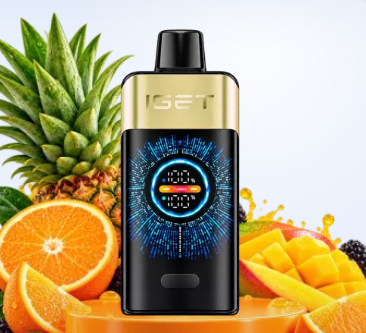
Nicotine products span a wide spectrum of strengths, and the right range depends heavily on the product type and your prior nicotine use.
Freebase e-liquids (the traditional style of nicotine used in vaping before the rise of nicotine salts) are commonly available in strengths like 0 mg (a no nicotine vape option), 3 mg, 6 mg, 12 mg, and 18 mg. Nicotine salts, which are formulated to feel smoother at higher concentrations, are typically sold anywhere from 10 mg/mL up to 50 mg/mL and are the formulation most often used in modern disposable vaping products.
In the UK and EU, the Tobacco Products Directive (TPD) caps refillable e-liquid nicotine strength at 20 mg/mL (2%), with a maximum bottle size of 10 mL for nicotine-containing e-liquids. The United States has no equivalent federal cap, which is part of why electronic cigarette products sold there, including many disposable vapes, commonly reach 5% (50 mg/mL) or higher.
Nicotine pouches, the tobacco-free oral products that have grown in popularity recently, are commonly sold in strengths of roughly 2 mg to 8 mg per pouch, with some brands offering stronger options.
Nicotine gum and lozenges typically come in 2 mg and 4 mg doses. As a general guideline used in nicotine replacement therapy, the 4 mg dose is often recommended for people who smoke their first cigarette within 30 minutes of waking, since this pattern is associated with higher dependence.
Patches work differently since they deliver nicotine steadily over 24 hours rather than in a single dose. They typically come in step-down strengths of 21 mg, 14 mg, and 7 mg, allowing users to gradually taper their intake over time.
Choosing the right nicotine strength isn't just about preference. It affects how well a product manages cravings, how harsh or smooth the experience feels, and how likely you are to either under- or over-consume nicotine.
Choose a higher strength if you were previously a heavy smoker (commonly cited as 20 or more cigarettes a day) and need a stronger initial dose to manage cravings effectively. Choose a lower strength — or a no nicotine vape option — if you smoked occasionally or lightly, since a high-strength product is more likely to cause discomfort such as dizziness or nausea.
Delivery method also plays a major role. Inhaled nicotine from vaping reaches the bloodstream and brain quickly, which is part of why vapors (people who vape) often need a lower numeric strength than cigarette smokers might expect to feel satisfied. Oral products like pouches, gum, and patches tend to deliver nicotine more slowly, which can make the experience feel milder even at a similar labeled dose.
This is one of the most common questions for people switching from smoking to vaping or using an electronic cigarette, and it's worth noting that comparisons here are estimates, not exact science.
A standard cigarette commonly contains roughly 10 to 12 mg of nicotine, but a smoker typically only absorbs about 1 to 2 mg of it, since much of the nicotine is lost through exhaled smoke. Vaping delivers nicotine more efficiently, so smaller amounts of e-liquid can replicate a similar nicotine hit. This is why a 20 mg/mL (2%) e-liquid is often associated with needs similar to someone who smoked a pack or more per day, even though the raw numbers don't look equivalent at first glance.
In this regard, you may refer to our article: Is One Vape Puffs Equal One Cigarette?
Getting the strength wrong in either direction can create an unpleasant experience.
Too much nicotine can cause nausea, dizziness, headaches, a rapid heartbeat, or sweating. These symptoms are your body's way of signaling that the dose is higher than it can comfortably handle. This is particularly relevant with high-strength disposable vapes, where concentrations can reach 5% or more.
Too little nicotine, on the other hand, often shows up as persistent cravings, irritability, or trouble concentrating, since the product isn't meeting your body's expectations.
If you consistently notice either set of symptoms, it's worth adjusting your strength level or talking to a healthcare professional about what might work better for your situation.
Nicotine strength is ultimately a personal calculation based on your history with tobacco, your tolerance, and your goals, whether that's finding a satisfying alternative to smoking or gradually reducing your intake over time. Pay attention to how your body responds, and don't be afraid to adjust. Many people step down strength gradually as part of a broader plan to reduce or quit nicotine altogether, eventually transitioning toward a no nicotine vape or quitting nicotine use entirely.
No nicotine level is without risk, and nicotine itself remains addictive regardless of the format or strength you choose, whether that's an electronic cigarette, a disposable vape, or an oral product. Pregnant individuals, young people, and those with existing heart conditions should avoid nicotine products altogether. If you're looking for support to quit, a healthcare provider or a national quitline can offer resources tailored to your specific needs.

Is 2% nicotine strong?
Yes, 2% (20 mg/mL) is the maximum strength allowed under UK and EU regulations and is generally considered appropriate for people who previously smoked heavily, commonly cited as 20 or more cigarettes per day.
How long does it take to feel the effects of nicotine?
Inhaled nicotine, such as from vaping or smoking, typically reaches the brain within seconds. Oral products like pouches, gum, and patches tend to act more slowly, often taking several minutes or longer.
Can I lower my nicotine strength over time?
Yes. Many people gradually reduce their nicotine strength as part of a tapering plan, whether through stepped-down patches, lower-strength e-liquids, or spacing out gum and lozenge use.
Is nicotine itself dangerous?
Nicotine is addictive and carries health risks at any level, independent of the product delivering it. It is not considered risk-free, and people with heart conditions, pregnant individuals, and young people should avoid it entirely.
Are nicotine pouches safer than vaping or smoking?
Comparisons between product types are complex and depend on multiple factors, including delivery method and usage patterns. This article doesn't make safety comparisons between categories; speak with a healthcare professional for guidance specific to your situation.
Why do disposable vapes often have higher nicotine percentages than refillable e-liquids?
Many disposable vapes are sold in markets without a regulatory cap on nicotine strength, which allows them to reach 5% (50 mg/mL) or higher. Refillable e-liquids sold under frameworks like the EU's Tobacco Products Directive are capped at 20 mg/mL (2%), so always check local regulations and product labeling before buying from any online vape shop.
What does "no nicotine vape" mean on a product label?
A no nicotine vape, sometimes labeled 0 mg or 0%, contains no added nicotine. These products are typically chosen by people who have already quit nicotine but want to keep the habitual aspect of vaping, or by those who simply prefer a nicotine-free option.
You must be 18 years or older to browse this website.
This product contains nicotine, which is an addictive chemical.